Key Takeaways
- Addressing minor issues such as leaks, cracks, and loose fixtures early can prevent them from turning into expensive repairs later.
- Properly maintaining roofs, gutters, windows, and doors helps protect the home from water damage, energy loss, and structural deterioration.
- Small plumbing problems, including dripping faucets and hidden toilet leaks, can significantly increase utility bills if left unresolved.
- Regular inspections allow homeowners to identify potential problems before they escalate into major maintenance concerns.
- Keeping HVAC systems clean and functioning efficiently can lower energy costs and extend the lifespan of heating and cooling equipment.
- Repairing worn caulking and checking under-sink plumbing can help prevent mold growth, wood rot, and costly water-related damage.
- A proactive maintenance approach improves home safety, preserves property value, and reduces the likelihood of unexpected repair expenses.
Owning a home is one of the most significant investments most people will ever make. While many homeowners focus on large renovation projects to improve comfort and property value, they often overlook the importance of addressing small issues before they become expensive problems. Minor leaks, cracks, loose fixtures, and worn-out seals may seem insignificant at first, but they can gradually lead to major structural damage, higher utility bills, and costly emergency repairs.
The good news is that many common household issues can be resolved quickly and affordably. By learning a few basic repair techniques and staying proactive, homeowners can protect their investment while avoiding unnecessary expenses. This guide explores ten simple home repairs that can save thousands of dollars over time and help keep your home safe, efficient, and comfortable.
Why Do Small Home Repairs Matter So Much?
Many homeowners delay repairs because the issue appears minor or because they assume it can wait until a more convenient time. Unfortunately, household problems rarely improve on their own. Water leaks continue to spread, damaged caulking deteriorates further, and tiny cracks often expand due to changing weather conditions.
A proactive approach to home maintenance offers several benefits:
- Lower repair costs: Fixing a problem early is almost always cheaper than dealing with extensive damage later.
- Improved safety: Small repairs can eliminate hazards that might otherwise lead to accidents.
- Higher property value: A well-maintained home attracts buyers and appraisers.
- Better energy efficiency: Properly functioning systems reduce utility expenses.
- Extended lifespan of home components: Timely repairs help roofs, plumbing, HVAC systems, and appliances last longer.
Understanding which repairs provide the greatest financial return can help homeowners prioritize maintenance efforts effectively.
1. Fixing Leaky Faucets Before They Waste Money
A dripping faucet might seem like a minor annoyance, but it can waste a surprising amount of water over time. Even a slow drip can increase monthly utility bills and contribute to unnecessary water consumption.
Most faucet leaks occur because of worn washers, seals, or cartridges. These components are relatively inexpensive and can often be replaced with basic tools.
Signs that a faucet needs attention include:
- Persistent dripping
- Water pooling around the fixture
- Rust or mineral buildup
- Reduced water pressure
Addressing the problem promptly can prevent:
- Higher water bills
- Fixture deterioration
- Cabinet damage beneath sinks
- Mold growth from hidden moisture
A repair costing only a few dollars today may prevent hundreds or even thousands of dollars in water-related damage later.
2. How Can Sealing Windows and Doors Lower Repair Costs?
Air leaks around windows and doors are among the most common causes of energy loss in homes. Gaps and worn weatherstripping allow conditioned air to escape while letting outside temperatures enter.
Over time, these leaks force heating and cooling systems to work harder, increasing wear and energy costs.
Common signs of air leakage include:
- Drafts near windows
- Uneven indoor temperatures
- Increased utility bills
- Visible gaps around frames
Simple repairs may involve:
- Replacing weatherstripping
- Applying fresh caulk
- Installing door sweeps
- Repairing damaged window seals
The cost of these materials is relatively low, yet the long-term savings can be substantial. In addition to reducing energy expenses, properly sealed openings help prevent moisture intrusion that could damage walls and flooring.
3. Repairing Damaged Caulking Around Bathrooms and Kitchens
Bathrooms and kitchens experience frequent exposure to water. Over time, caulking around sinks, tubs, showers, and countertops can crack, peel, or separate from surfaces.
When this protective barrier fails, water can seep behind walls, under flooring, and into cabinetry.
Potential consequences include:
- Mold growth
- Rotting wood
- Structural damage
- Expensive restoration projects
Replacing old caulk is one of the easiest and most affordable home repairs available. The process typically requires:
- Removing damaged caulk.
- Cleaning the surface thoroughly.
- Applying fresh waterproof caulk.
- Allowing adequate curing time.
This simple project can help prevent extensive water damage that might otherwise cost thousands to repair.
4. Why Should You Repair Roof Damage Immediately?
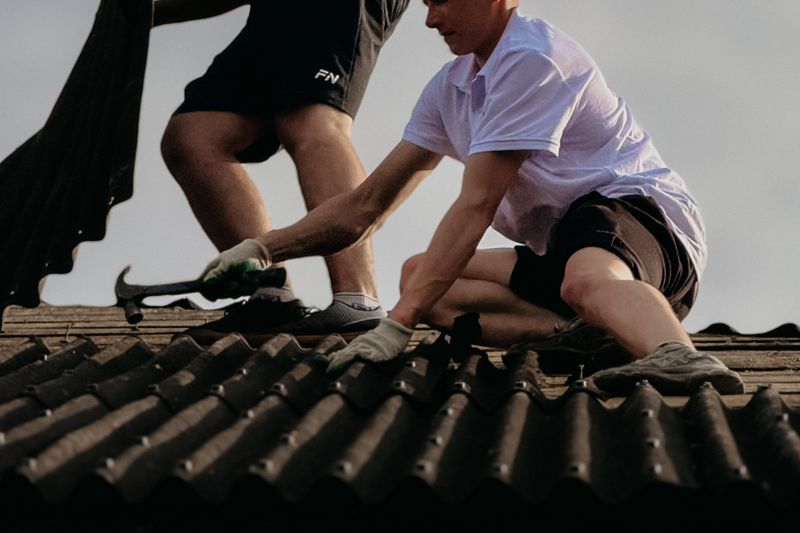
The roof serves as the home’s first line of defense against the elements. Even a small roofing issue can develop into a serious problem if left untreated.
Minor roof concerns often include:
- Missing shingles
- Cracked flashing
- Loose fasteners
- Small leaks
What begins as a minor repair can eventually lead to:
- Ceiling damage
- Insulation deterioration
- Mold infestations
- Structural weakening
Regular visual inspections can help identify issues before they escalate. Homeowners should examine their roofs after major storms and schedule professional assessments when necessary.
Addressing a few damaged shingles today is far less expensive than replacing large sections of roofing or repairing water-damaged interiors later.
5. Unclogging and Maintaining Gutters
Gutters play a critical role in directing rainwater away from the home. When gutters become clogged with leaves, dirt, and debris, water can overflow and damage various parts of the property.
Potential consequences of neglected gutters include:
- Foundation damage
- Basement flooding
- Landscape erosion
- Siding deterioration
- Roof leaks
Routine gutter maintenance typically involves:
- Removing debris
- Checking downspouts
- Securing loose brackets
- Flushing the system with water
Homeowners who perform this task regularly often avoid costly drainage and foundation repairs.
Water management remains one of the most important aspects of protecting a home’s structural integrity.
6. Stopping Toilet Leaks Before They Increase Utility Bills
Toilets can leak silently, wasting hundreds of gallons of water each month without obvious signs.
Common causes include:
- Worn flapper valves
- Damaged fill valves
- Loose connections
- Faulty seals
A simple test involves placing food coloring in the tank. If color appears in the bowl without flushing, a leak likely exists.
Repairing toilet leaks offers multiple benefits:
- Reduced water bills
- Improved efficiency
- Prevention of flooring damage
- Extended fixture lifespan
Most toilet repair components are inexpensive and readily available, making this one of the most cost-effective home maintenance tasks.
7. How Can Small Wall Cracks Become Expensive Problems?
Many homeowners ignore small cracks in walls and ceilings because they appear harmless. While some cracks result from normal settling, others may indicate moisture problems or structural movement.
Cracks should be monitored for:
- Expansion over time
- Uneven edges
- Water staining
- Nearby sagging surfaces
Simple cosmetic cracks can often be repaired using:
- Joint compound
- Spackle
- Sanding materials
- Touch-up paint
Addressing cracks early helps maintain the home’s appearance while also identifying potentially serious issues before they require extensive repairs.
If a crack appears to worsen rapidly, professional evaluation is recommended.
8. Maintaining Plumbing Connections Under Sinks
Many costly water damage incidents originate beneath kitchen and bathroom sinks. Small leaks around supply lines, drainpipes, or fittings often go unnoticed until substantial damage occurs.
Warning signs include:
- Damp cabinet surfaces
- Musty odors
- Water stains
- Warped wood
- Mold growth
Homeowners should inspect under-sink plumbing regularly and tighten loose fittings when necessary.
Simple maintenance steps include:
- Checking for moisture monthly
- Replacing worn washers
- Repairing damaged supply lines
- Ensuring proper drainage
Preventing a leak beneath a sink can save homeowners from replacing cabinetry, flooring, drywall, and other affected materials.
When planning upgrades in these areas, homeowners should also consider factors such as durability and moisture resistance. For example, selecting the right flooring can help reduce future maintenance needs and improve long-term protection against water damage.
9. Replacing HVAC Filters and Addressing Minor Airflow Issues
Heating and cooling systems represent a significant investment, making proper maintenance essential for long-term performance.
Dirty filters restrict airflow and force HVAC equipment to work harder than necessary.
Consequences may include:
- Increased energy consumption
- Reduced comfort
- Premature equipment wear
- Higher repair costs
Homeowners should:
- Replace filters regularly
- Clean vents and registers
- Remove obstructions from airflow paths
- Inspect duct connections
These simple actions can improve efficiency and extend system lifespan.
Consistent attention to HVAC performance often prevents expensive breakdowns and helps maintain comfortable indoor temperatures throughout the year.
10. Repairing Loose Handrails, Hinges, and Hardware
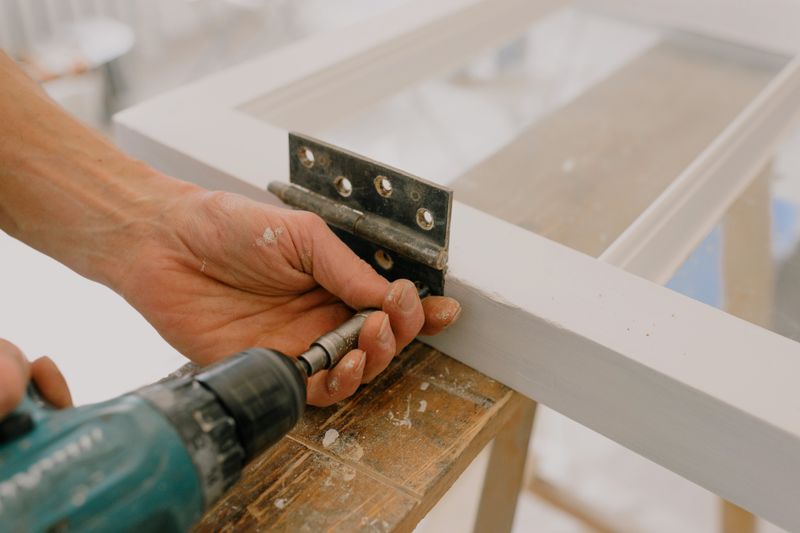
Loose hardware may not seem like a major concern, but it can create safety hazards and contribute to larger maintenance issues over time.
Items worth inspecting include:
- Stair railings
- Door hinges
- Cabinet handles
- Deck fasteners
- Gate hardware
Simple repairs often involve:
- Tightening screws
- Replacing damaged fasteners
- Reinforcing mounting points
- Lubricating moving components
These small fixes improve safety and prevent additional wear that could require costly replacements.
Keeping hardware secure also enhances the overall functionality and appearance of the home.
What Tools Should Every Homeowner Keep for Basic Repairs?
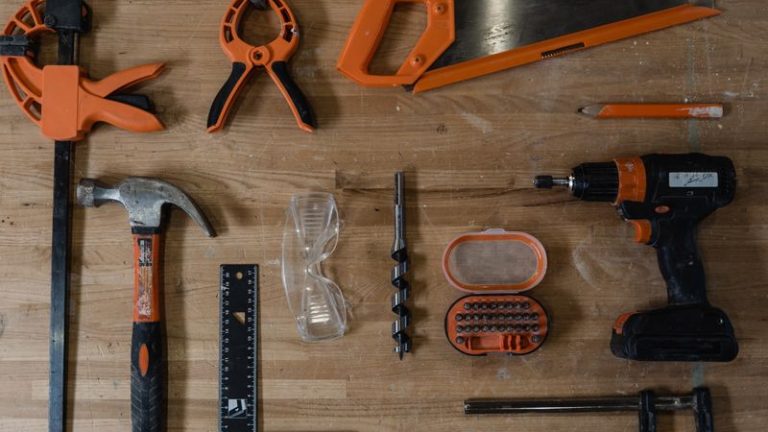
Having the right tools available makes simple repairs faster and more effective. A basic toolkit can help homeowners address minor issues before they become major problems.
Essential tools include:
- Hammer
- Screwdriver set
- Adjustable wrench
- Utility knife
- Tape measure
- Caulking gun
- Pliers
- Flashlight
- Level
- Cordless drill
Additional supplies that prove useful include:
- Replacement washers
- Caulk
- Weatherstripping
- Electrical tape
- Sandpaper
- Screws and anchors
Investing in quality tools can save both time and money over the years.
How Often Should Homeowners Inspect Their Property?
Preventive inspections are one of the best ways to identify emerging issues before they require expensive repairs.
A practical inspection schedule may include:
Monthly
- Check plumbing connections
- Inspect HVAC filters
- Test smoke detectors
- Look for leaks
Seasonally
- Clean gutters
- Inspect roofing
- Examine exterior caulking
- Check drainage systems
Annually
- Evaluate foundation condition
- Inspect attic ventilation
- Review exterior paint and siding
- Schedule professional system inspections
Developing a routine inspection plan helps homeowners stay ahead of costly problems.
Many experts consider Regular home maintenance one of the most effective strategies for preserving property value and minimizing unexpected expenses.
Common Mistakes Homeowners Make When Handling Repairs
Even simple projects can become costly if handled incorrectly. Understanding common mistakes can help homeowners avoid unnecessary expenses.
Frequent errors include:
Ignoring Early Warning Signs
Small leaks, cracks, and unusual sounds often indicate larger issues developing behind the scenes.
Using Temporary Fixes
Quick patches may provide short-term relief but often fail to address underlying problems.
Delaying Repairs
The longer an issue remains unresolved, the more extensive and expensive the eventual repair may become.
Using Incorrect Materials
Choosing inappropriate products can lead to premature failure and additional costs.
Skipping Inspections
Many homeowners only investigate problems after visible damage appears, missing opportunities for early intervention.
Avoiding these mistakes can significantly reduce long-term maintenance expenses.
When Should You Call a Professional?
While many repairs are suitable for DIY efforts, certain situations require professional expertise.
Consider hiring a professional when:
- Structural damage is suspected
- Electrical work extends beyond basic fixes
- Major plumbing repairs are needed
- Roof access presents safety concerns
- Mold contamination is extensive
- Foundation movement is detected
Knowing your limits is an important part of responsible homeownership. Attempting complex repairs without proper training may result in greater damage and increased costs.
A professional assessment can often identify solutions before a problem escalates further.
Building a Preventive Maintenance Mindset
Successful homeowners understand that protecting a property involves more than responding to problems after they occur. Preventive maintenance helps preserve structural integrity, improve efficiency, and reduce the likelihood of unexpected expenses.
A proactive mindset includes:
- Performing routine inspections
- Addressing small concerns promptly
- Keeping maintenance records
- Budgeting for repairs
- Monitoring changes in home performance
Over time, these habits contribute to lower ownership costs and fewer emergency situations.
The most expensive home repairs often begin as minor issues that were ignored for too long. By staying attentive and acting quickly, homeowners can avoid many of the financial burdens associated with major repairs.
Conclusion
Simple home repairs may not seem exciting, but they are among the most effective ways to protect your investment and avoid costly surprises. Tasks such as fixing leaks, sealing gaps, maintaining gutters, repairing caulking, and inspecting plumbing connections require relatively little time and money compared to the damage they can prevent. Small issues rarely remain small for long, and delaying repairs often leads to significantly higher expenses down the road.
By adopting a proactive approach and addressing maintenance concerns as soon as they arise, homeowners can preserve property value, improve safety, enhance energy efficiency, and save thousands of dollars over the life of their home. Consistent attention to these simple repairs helps ensure that your home remains comfortable, functional, and financially secure for years to come.
