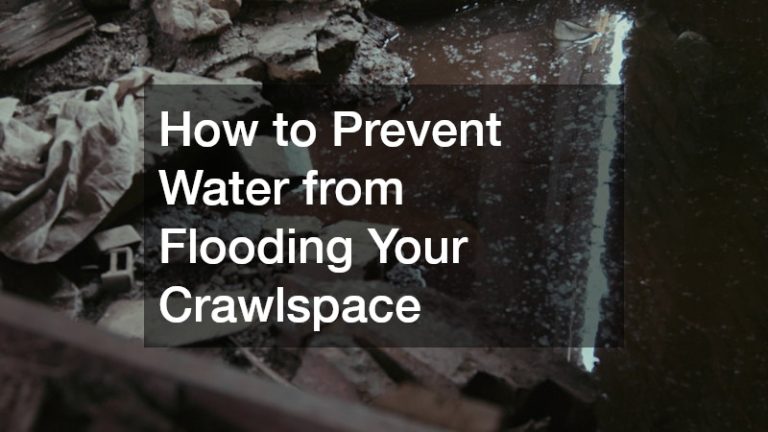
Water intrusion beneath a home is one of the most common—and most overlooked—threats to structural integrity. Because this area is hidden from daily view, moisture problems can quietly develop for months or even years before obvious warning signs appear. By the time you notice musty odors, sagging floors, or increased indoor humidity, the damage may already be extensive.
Preventing crawlspace flooding in your home requires a proactive, layered strategy. It’s not just about installing one device or sealing one crack.
True protection involves managing rainwater outside, strengthening structural barriers, controlling ground moisture, and maintaining interior systems. When these elements work together, they dramatically reduce the risk of costly repairs and long-term damage.
Below are practical, in-depth strategies to help homeowners take control and prevent serious moisture issues before they start.
Improve Exterior Drainage to Direct Water Away from the Foundation
The majority of water issues beneath homes begin outside. If rainwater isn’t directed away efficiently, it will find its way into the lowest available space.
Ensure Proper Yard Grading
Soil should slope away from your home’s foundation to prevent pooling.
-
Aim for at least a 6-inch drop over the first 10 feet.
-
Fill in depressions where water collects.
-
Avoid landscaping features that trap runoff near the foundation.
Improper grading allows water to sit against the home, increasing the likelihood of seepage and crawlspace flooding during heavy rain.
Maintain Gutters and Downspouts
Your roof collects and channels large volumes of water. Without proper management, that water will saturate the soil around your home.
-
Clean gutters at least twice annually.
-
Repair sagging or leaking sections.
-
Extend downspouts 5–10 feet away from the foundation.
-
Install splash blocks or flexible extensions.
Overflowing gutters are a leading contributor to moisture intrusion beneath homes.
Install Exterior Drainage Systems if Needed
For homes in low-lying areas or regions with frequent storms, additional drainage may be necessary.
-
French drains can redirect groundwater away from the home.
-
Swales can guide runoff across the yard safely.
-
Dry wells provide controlled water absorption points.
Addressing exterior water flow is the first and most critical defense layer.
Seal Foundation Walls and Close All Entry Points
Even small openings can allow water to enter over time. Regular inspections help identify vulnerabilities before they worsen.
Repair Cracks Promptly
Foundation cracks vary in severity.
-
Hairline cracks can often be sealed with masonry waterproof sealant.
-
Larger cracks may require hydraulic cement or professional repair.
-
Horizontal cracks or shifting should be evaluated by a structural specialist.
Unsealed cracks can allow gradual seepage that contributes to crawlspace flooding over time.
Seal Utility Penetrations
Pipes, wiring, and vents passing through foundation walls often leave small gaps.
-
Apply exterior-grade caulk or expanding foam around penetrations.
-
Inspect annually for separation or deterioration.
-
Ensure vent covers close securely during storms.
Moisture can travel surprisingly far through small, overlooked gaps.
Apply Waterproof Coatings
If your area experiences frequent rainfall, a waterproof masonry coating may add another protective barrier. While not a substitute for proper drainage, it can reduce minor seepage through porous concrete.
Add a Sump Pump as a Backup Defense
For homes with a history of water accumulation, a sump pump provides active protection.
When to Consider Installation
-
Properties in flood-prone zones
-
High water table areas
-
Recurring standing water after storms
A sump pump collects water in a basin and pumps it safely away from the foundation before levels rise.
Important Features to Include
-
Adequate horsepower for your home’s size
-
Battery backup system for power outages
-
Alarm system for failure alerts
-
Discharge line directed well away from the home
Regularly test the pump and clear debris from the basin to ensure reliable operation.
Improve Interior Drainage and Subsurface Systems
In some cases, exterior measures alone are not enough. Interior drainage systems can help manage groundwater that reaches the foundation perimeter.
Install Interior Perimeter Drains
These systems collect water along the inside edge of the foundation and channel it to a sump pump.
Use Drainage Mats Beneath Vapor Barriers
Drainage mats create a channel for water movement beneath the barrier, reducing pooling.
Consider Gravel Trench Systems
Gravel trenches allow water to flow toward designated drainage points instead of saturating soil directly beneath the structure.
Combining interior and exterior drainage significantly lowers the likelihood of crawlspace flooding in challenging environments.
Perform Routine Inspections and Seasonal Maintenance
Proactive inspection is one of the most cost-effective prevention tools.
Inspect After Heavy Rainfall
Look for:
-
Standing water
-
Mud accumulation
-
Damp insulation
-
Musty odors
-
Signs of wood rot
Check Structural Components
Examine support beams and floor joists for:
-
Soft spots
-
Discoloration
-
Mold growth
-
Pest activity
Address Small Issues Immediately
Minor dampness or small cracks may seem insignificant, but early intervention prevents larger repair bills later.
Preventing crawlspace flooding is rarely about a single fix. It requires ongoing awareness and maintenance.
Protecting the area beneath your home from water intrusion is an investment in long-term structural stability and indoor comfort. By managing exterior runoff, sealing foundation vulnerabilities, installing protective barriers, and maintaining proper drainage systems, homeowners can significantly reduce their risk of damage. Routine monitoring and seasonal inspections further strengthen these efforts.
Taking action before water problems escalate is always more affordable and less disruptive than major repairs. With a thoughtful, layered prevention strategy, you can safeguard your home’s foundation and maintain a healthier living environment for years to come.