Unlocking the door to your new property represents the culmination of months of searching, planning, and waiting. The moment you step across the threshold as the official owner, the space transitions from a mere structure into a canvas filled with potential. However, the initial three months in a newly acquired residence can easily feel overwhelming without a structured roadmap. Between unpacking endless boxes, establishing new daily routines, and identifying which project demands immediate attention, new homeowners often find themselves pulled in dozens of competing directions at once. Having a comprehensive transition strategy allows you to systematically turn an unfamiliar house into a safe, comfortable, and personalized sanctuary tailored precisely to your family needs.
Mastering the Moving Logistics and Initial Unpacking
The initial week in a new residence is traditionally defined by a sea of cardboard boxes and frantic searches for essential household items. Streamlining this chaotic phase requires a clear method for sorting, staging, and offloading items as they cross the threshold. Rather than attempting to unpack every room simultaneously, focus on establishing functional core zones first. Coordinating with a reliable moving and storage company beforehand guarantees that heavy furniture is positioned correctly during initial offloading, saving you from backbreaking adjustments later on.
To keep your unpacking process running efficiently, consider following this systematic multi-step sequence:
- Unpack immediate survival essentials, including toiletries, bed linens, charging cables, and basic cooking utensils, on day one.
- Clear central hallways and entryways to maintain safe pathways throughout the house.
- Inspect all delivered inventory for potential transit damage before breaking down containers.
- Assemble primary furniture pieces in bedrooms and primary living spaces to create immediate zones of comfort.
Proper organization established during these first few days prevents clutter from accumulating in primary living quarters. By delegating heavy lifting to professionals and keeping essential items accessible, you establish an organized foundation for all subsequent customization projects.
Safeguarding the Overhead Structure and External Shelter
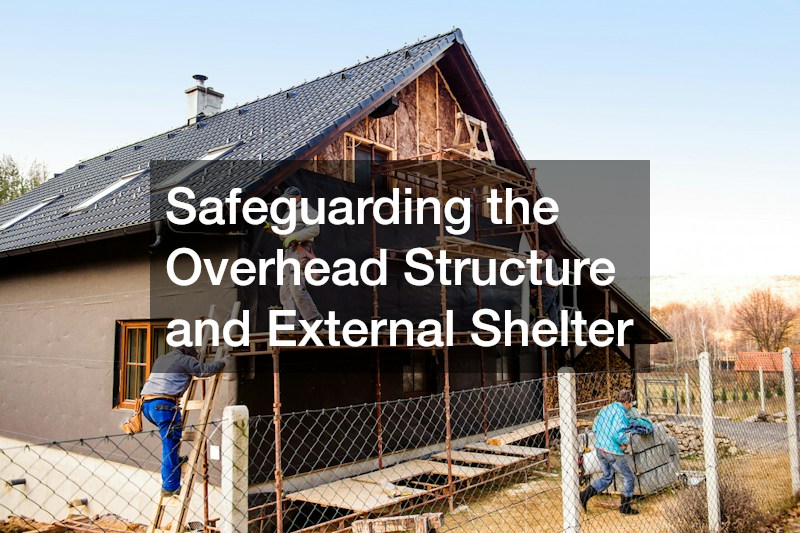
Protecting your investment against weather elements should always sit at the top of your initial priority list. The overhead structure represents your primary defense against moisture intrusion, wind impact, and structural degradation. Performing a detailed evaluation during your first thirty days allows you to spot minor wear before it transforms into an emergency repair bill. Engaging a professional roofing company early in your tenure gives you an expert assessment of remaining lifespan, material integrity, and potential vulnerabilities.
A comprehensive exterior safety evaluation typically includes reviewing the following critical zones:
- Roof shingles, tiles, or metal panels for cracking, curling, or missing sections.
- Gutter systems to ensure proper alignment, blockage removal, and adequate drainage away from the foundation.
- Chimney caps and flashing points around skylights and vents for watertight seals.
- Attic spaces for signs of current leaks, water staining, or improper ventilation.
Furthermore, establishing a relationship with qualified exterior specialists gives you peace of mind when severe weather strikes. Prioritizing exterior shell integrity ensures your home remains dry, secure, and ready for interior design enhancements.
Fortifying the Exterior Envelope and Protective Siding
Beyond the overhead shelter, the vertical exterior walls form the second major barrier protecting your home from harsh weather, pests, and ambient noise. Inspecting your exterior cladding during the first month helps maintain thermal efficiency while preserving structural integrity. Look closely at siding panels, mortar joints, and window trims for signs of warping, decay, or gaps where moisture could enter. Entrusting repairs or full updates to reputable siding companies ensures that modern, high-performance materials are correctly installed with integrated weather-resistant barriers.
Maintaining exterior wall surfaces involves several routine checks and protective measures:
- Seal gaps around exterior windows and doors using high-grade exterior caulk to stop air leaks.
- Clean accumulated dirt, mold, or mildew off exterior panels using appropriate low-pressure wash techniques.
- Check ground clearance to ensure soil or mulch doesn’t directly touch wood or composite cladding materials.
- Inspect corner posts and fascia boards for evidence of insect infestation or physical impact damage.
Upgrading or repairing damaged exterior cladding instantly boosts your home exterior aesthetic appeal while lowering long-term heating and cooling costs. Proper installation guarantees that water drains away naturally without penetrating wall assemblies. Taking action early in your residence ensures your home looks polished while staying fully protected year-round.
Establishing Precise Boundaries and Property Coordinates
Understanding the exact physical limits of your land is crucial before breaking ground on fencing, outbuildings, or exterior renovations. Property lines, found by land surveying, noted on casual real estate maps often differ from physical reality, leading to potential disputes with neighbors or costly construction restarts. Knowing these exact measurements gives you total clarity when planning future expansions, driveways, or perimeter barriers.
Accurate boundary information is essential for several key homeowner milestones:
- Installing perimeter privacy fencing or retaining walls without encroaching on neighboring parcels.
- Applying for municipal building permits required for home additions, decks, or outbuildings.
- Identifying existing public utility easements and rights-of-way that restrict permanent construction.
- Resolving legacy property disputes regarding mature trees, shared driveways, or boundary hedges.
Having certified boundary markers placed at land corners eliminates guesswork and protects your real estate investment over time. It allows you to move forward confidently with outdoor improvements knowing every structure complies with local zoning rules. Investing in professional spatial verification early prevents legal headaches and sets a smooth path for exterior development.
Optimizing Core Climate Control and Air Distribution Systems

A comfortable living environment relies heavily on the performance and efficiency of your interior climate systems. Upon moving in, it’s common to find dirty filters, neglected ductwork, or unserviced mechanical units left behind by previous occupants. Hiring an experienced HVAC contractor to inspect burners, coils, electrical connections, and airflow balances keeps your equipment running smoothly during peak summer and winter seasons.
Essential climate control tasks during your first month include:
- Replacing standard air filters with high-efficiency particulate filters to capture dust and pollen.
- Cleaning supply vents, return grilles, and accessible duct runs to maximize fresh air circulation.
- Testing programmable or smart thermostats to establish energy-saving daily schedules.
- Inspecting condensate drain lines to prevent clogs that cause indoor water overflow.
Regular system maintenance reduces monthly utility bills while extending the operational lifespan of expensive mechanical equipment. Furthermore, clear air pathways remove lingering odors from past owners, making the home feel clean and truly yours. Prioritizing air distribution early guarantees seasonal comfort regardless of external weather shifts.
Modernizing Energy-Efficient Heating and Cooling Upgrades
As homeowners seek higher energy independence and lower utility costs, upgrading aging fossil-fuel or resistance heating systems has become a top priority. Modern all-electric thermal transfer systems provide both heating and cooling capabilities through a single highly efficient unit. Investing in heat pump installations allows you to keep your home perfectly tempered year-round while dramatically reducing overall energy consumption.
Key advantages of adopting modern thermal distribution systems include:
- Dual-function operation providing crisp air conditioning in summer and steady warmth in winter.
- Significant reductions in monthly carbon emissions compared to traditional gas or oil furnaces.
- Advanced variable-speed compressors that adjust output precisely to match current interior demand.
- Eligibility for federal, state, and local utility rebates that offset upfront installation expenses.
Integrating advanced climate technology during your first ninety days guarantees long-term energy savings and improves overall interior air quality. It modernizes your utility infrastructure, raising the market value of your property. Transitioning to efficient heating and cooling delivers dependable home comfort for years to come.
Transforming the Culinary Center into a Functional Workspace
The kitchen is universally recognized as the heart of the home, serving as a hub for meal preparation, family gatherings, and social entertaining. If your new kitchen feels outdated, dark, or poorly arranged, planning functional improvements early will dramatically enhance your daily living experience. Working alongside creative kitchen designers enables you to reimagine cabinet layouts, island placements, lighting plans, and appliance integration.
Key elements to evaluate when upgrading your kitchen workspace include:
- Optimizing the work triangle between the refrigerator, sink, and cooktop for effortless meal preparation.
- Selecting durable, non-porous countertop materials like quartz or granite that resist stains and scratches.
- Incorporating custom storage solutions like pull-out pantry shelves, soft-close drawers, and corner organizers.
- Layering interior lighting with under-cabinet LED strips, main task lights, and ambient pendant fixtures.
Updating your culinary space tailored to your lifestyle makes cooking easier and brings new energy to daily family interactions. Thoughtfully planned layouts eliminate kitchen bottlenecks and increase storage capacity significantly. Transforming this core room early in your journey establishes a welcoming environment where family and guests naturally gather.
Elevating Essential Water Systems and Infrastructure Integrity
Clean running water, proper drainage, and efficient fixtures form the foundational backbone of household health and hygiene. Old homes or newly acquired properties often harbor hidden plumbing issues like slow drains, leaking valves, or deteriorating pipe materials. Scheduling professional plumbing repair during your second month resolves lingering mechanical flaws and upgrades essential water fixtures across bathrooms, kitchens, and laundry zones.
Crucial water system checkpoints for new homeowners include:
- Inspecting supply lines under sinks and behind toilets for signs of slow leaks or corrosion.
- Testing main shutoff valves to guarantee quick emergency access if a pipe bursts.
- Flushing water heaters to remove sediment buildup and restore thermal heating efficiency.
- Upgrading old showerheads and faucets with modern low-flow, high-pressure alternatives.
Proactively upgrading water delivery and drainage infrastructure protects your home against unexpected water damage and reduces monthly utility bills. Modernizing old fixtures adds instant visual appeal to bathrooms and utility rooms while optimizing water flow. Taking care of core plumbing guarantees peace of mind every time you turn on a faucet.
Crafting an Inviting Outdoor Oasis and Landscape Design

Once the interior of your home is functioning smoothly, shifting focus to your surrounding property turns raw yard space into an inviting extension of your living room. A well-designed outdoor environment provides space for relaxation, family play, and weekend entertainment while boosting overall curb appeal. Partnering with a skilled landscaper helps you analyze soil conditions, drainage patterns, sunlight exposure, and plant species suitable for your local climate.
A comprehensive landscape plan should incorporate several key design principles:
- Defining functional zones for entertainment, open lawn play, garden beds, and privacy screening.
- Installing native plants, trees, and shrubs that thrive locally with minimal artificial irrigation.
- Integrating grading solutions and French drains to direct rainwater runoff away from foundations.
- Adding low-voltage outdoor lighting along walkways and patio borders for safe evening navigation.
Investing in your grounds expands your usable living footprint and enhances the natural beauty surrounding your house. Proper grading protects your foundation against standing water, while strategic planting provides natural shade and privacy. Developing a vibrant landscape transforms your yard into a peaceful outdoor retreat.
Building Culinary and Entertainment Hubs for Outdoor Living
Taking outdoor living a step further, integrating dedicated cooking and dining facilities turns simple yards into premier entertainment destinations. Preparing meals outside keeps summer heat out of your main kitchen while creating a casual, memorable atmosphere for hosting guests. Designing a fully equipped backyard kitchen allows you to cook, serve, and clean up without constantly walking back and forth into the house.
Key features to consider when building an outdoor cooking hub include:
- Weather-resistant cabinetry and counter surfaces built to withstand rain, sun, and freezing temperatures.
- Dedicated gas, water, and electrical supply lines installed safely to meet local building codes.
- Ample task lighting and overhead shade structures like pergolas or pavilions for summer comfort.
- Integrated seating options, including bar counters, dining tables, and built-in masonry benches.
Creating an outdoor culinary space adds immense functional versatility to your property, making weekend gatherings effortless and fun. It turns your yard into a multi-season venue where family and friends can gather around good food. Completing this upgrade within your initial ninety days ensures you get maximum enjoyment out of your new environment right from the start.
As you conclude this initial setup period, your focus naturally transitions from foundational maintenance to ongoing enjoyment and refined customization. The solid infrastructure you established during these three months provides absolute peace of mind, allowing you to enjoy your updated kitchen, private backyard oasis, and efficient climate control systems without worry. Remember that homeownership is a continuous, rewarding journey where ongoing care and thoughtful improvements build lasting equity over time. Take pride in the work you’ve accomplished, celebrate your newly customized spaces, and look forward to creating years of wonderful memories in a home designed to support your lifestyle.