A well-maintained property offers more than visual appeal. Regular upkeep helps protect the structure, improve indoor comfort, support a healthier living environment, and preserve long-term property value. From caring for outdoor landscaping to addressing minor repairs inside the home, consistent maintenance can prevent small issues from developing into expensive problems.
Property maintenance involves several responsibilities, including cleaning, landscaping, pest prevention, plumbing inspections, and exterior repairs. Neglecting one area can eventually affect others. For example, clogged gutters may contribute to moisture problems, while overgrown vegetation can attract pests or conceal damage around the foundation.
Developing a practical maintenance routine makes these responsibilities easier to manage. Rather than waiting for something to break, property owners can establish schedules for inspections, cleaning, and repairs. Understanding which tasks deserve regular attention can help homeowners maintain an attractive, functional, and comfortable property.
1. Maintain Landscaping for a Welcoming Outdoor Environment
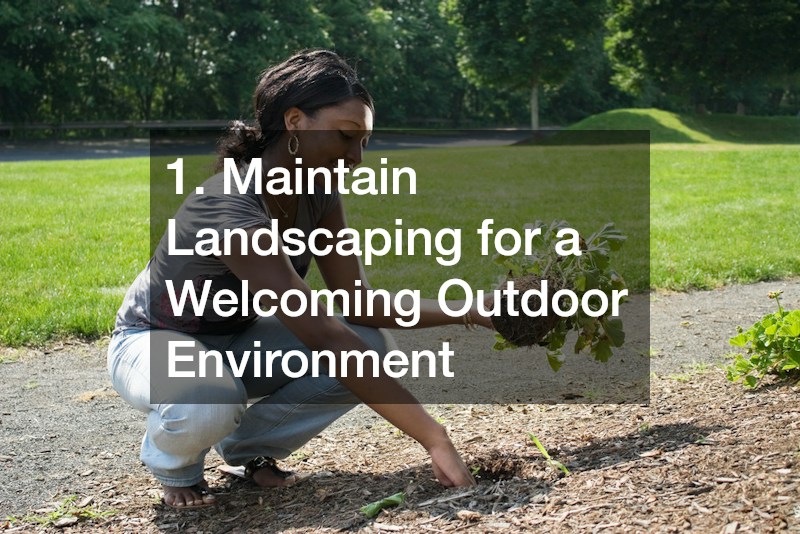
Landscaping is one of the first things people notice when approaching a property. A tidy lawn, healthy plants, trimmed shrubs, and defined garden beds create a positive first impression. Thoughtful landscaping can also support soil health, improve drainage, and make outdoor areas more enjoyable.
Keep Lawns and Garden Beds in Good Condition
Regular lawn care helps prevent outdoor spaces from appearing neglected. Mowing, removing weeds, watering according to seasonal conditions, and addressing bare patches can contribute to healthier grass. Garden beds also benefit from consistent pruning and the removal of dead plant material.
Mulch can help retain soil moisture, regulate soil temperature, and suppress weed growth when applied correctly. Working with reputable mulch suppliers can help property owners select suitable materials for garden beds and trees. Keeping mulch away from direct contact with tree trunks can help prevent moisture-related damage.
Homeowners should also inspect their landscapes for poor drainage, soil erosion, and unhealthy plants. Trimming vegetation away from walkways and the home’s exterior improves visibility while reducing potential hiding places for pests. Selecting plants suited to the local climate can further reduce watering requirements and ongoing maintenance.
2. Protect the Roof and Exterior Structure
The exterior of a property acts as its first line of defence against rain, wind, and changing temperatures. Maintaining the roof, walls, gutters, windows, and exterior finishes helps preserve the structure while keeping the property looking presentable.
Schedule Regular Roof Inspections
Roofing problems can develop gradually, making them easy to overlook until water stains appear indoors or materials become visibly damaged. Missing shingles, cracked flashing, and deteriorating seals can allow moisture to enter the building.
Homeowners should inspect their roofs periodically, particularly after severe weather. A local roofing contractor can identify damage, recommend appropriate repairs, and determine whether certain materials need replacement. Professional inspections are particularly helpful when problems are difficult to identify from the ground.
Gutters also require regular attention. Leaves and debris can obstruct water flow, causing overflow that may damage siding, landscaping, and foundations. Cleaning gutters and directing downspouts away from the building can help protect the property from unnecessary moisture exposure.
Keep Windows and Exterior Surfaces Clean
Clean windows make a home appear brighter and better cared for. Dust, pollen, and rain residue gradually accumulate on glass, reducing clarity and diminishing the exterior’s appearance. Homeowners can clean accessible windows regularly, while window cleaning companies can assist with large properties or windows that are difficult to reach safely.
Exterior walls should also be checked for peeling paint, cracked caulking, damaged siding, and signs of moisture intrusion. Addressing these problems early can prevent further deterioration. Repainting exposed surfaces when necessary helps protect materials from weathering while refreshing the property’s appearance.
Driveways, walkways, and patios should be inspected for cracks, uneven sections, and standing water. Prompt repairs improve safety and prevent minor surface damage from becoming more extensive.

3. Create Functional and Attractive Outdoor Living Areas
Outdoor spaces can extend a property’s usable living area while making it more appealing. Patios, garden paths, and seating areas provide opportunities to relax, entertain guests, and enjoy the surrounding landscape. Regular care keeps these features safe, functional, and attractive.
Maintain Patios, Walkways, and Driveways
Patios and walkways experience wear from foot traffic, changing temperatures, and exposure to the elements. Dirt and organic debris can accumulate between paving materials, while moss or algae may make certain surfaces slippery when wet.
Sweeping regularly, removing weeds from joints, and cleaning surfaces with appropriate methods can help maintain their appearance. Homeowners should also inspect for loose pavers and uneven sections that could create tripping hazards.
A professional hardscaping service can help maintain patios, stone pathways, retaining walls, and other constructed landscape features. For properties that need a new patio or walkway, paver installation can create an attractive, durable surface that complements the surrounding landscape. Proper base preparation and drainage are essential for reducing shifting and standing water.
Driveways also contribute to curb appeal. Cracks, potholes, and faded surfaces can make a property look neglected while creating potential safety concerns. Regular cleaning and prompt repairs help maintain these areas.
When substantial repairs or resurfacing are necessary, experienced local paving contractors can evaluate the existing surface and recommend suitable options. Drainage, traffic levels, and the condition of the underlying base should all inform the repair approach.
Keep Fencing in Good Condition
Fencing helps define property boundaries, provide privacy, and separate outdoor areas. Wooden fences may need periodic staining or painting, while metal fencing should be checked for corrosion, loose fasteners, and damaged sections.
For homeowners who need a practical boundary around a yard or garden, chain link fencing can provide a functional option. Regular inspections help identify bent sections, loose connections, and unstable posts before these issues worsen.
Combining maintained fencing with trimmed vegetation and clear pathways can make outdoor spaces feel more organized and welcoming.
4. Keep Interior Spaces Clean and Comfortable
A property’s interior condition influences both its appearance and the daily experience of its occupants. Regular cleaning reduces dust and grime, protects frequently used surfaces, and helps maintain a comfortable indoor environment.
Establish a Consistent Cleaning Routine
Different rooms require different cleaning schedules. Kitchens and bathrooms typically need frequent attention because moisture, food residue, and everyday use can contribute to unpleasant odours and surface buildup. Living rooms, bedrooms, and hallways also benefit from routine dusting, vacuuming, and floor care.
Flooring deserves particular attention because it experiences repeated wear. Dirt and grit can scratch certain surfaces, while spills may stain materials or damage finishes if left untreated. Using products suited to the specific flooring type helps preserve its condition.
For busy households or properties with extensive hard flooring, professional floor cleaning companies can provide periodic deep cleaning. These services can help remove embedded dirt and address maintenance needs that routine household cleaning may not fully resolve.
Furniture, upholstery, and curtains should also be cleaned according to their care requirements. Regularly removing dust, pet hair, and debris helps keep rooms looking fresh and well-maintained.
Improve Indoor Air Quality and Manage Moisture
Indoor comfort depends on more than cleanliness. Ventilation, humidity, and the condition of household systems can influence indoor air quality.
Using kitchen and bathroom exhaust fans, changing HVAC filters according to manufacturer recommendations, and addressing leaks can help maintain a healthier indoor environment. Persistent condensation, musty odours, and visible water damage should be investigated because they may indicate plumbing problems or inadequate ventilation.
Water quality is another consideration. Depending on the local supply, home water filtration systems may help reduce certain contaminants, sediment, or unwanted tastes and odours. The appropriate system depends on the water source and the substances that need to be addressed. Water testing can help determine whether filtration is necessary and which technology is suitable.
Filters and other components must be maintained according to the manufacturer’s instructions so the system can continue functioning as intended.
5. Prevent Pest Problems Before They Spread
Pest prevention is an important part of maintaining a clean, comfortable property. Insects and rodents can enter through small gaps, damaged screens, and openings around utility lines. Once inside, they may contaminate food, damage materials, or become difficult to control.
Eliminate Conditions That Attract Pests
Many preventative measures involve reducing access to food, water, and shelter. Storing pantry items in sealed containers, cleaning up crumbs, emptying rubbish regularly, and wiping down kitchen surfaces can make indoor spaces less attractive to insects.
Leaking pipes should be repaired, standing water should be eliminated where possible, and outdoor rubbish bins should have secure lids. Homeowners should also seal gaps around doors, windows, and utility connections to limit potential entry points.
Outside, removing accumulated debris, trimming vegetation around the foundation, and keeping gutters clear can reduce potential hiding places for pests.
Address Infestations Promptly
Repeated pest activity, droppings, damaged food packaging, or persistent insect sightings deserve attention. Cockroaches can be particularly difficult to eliminate because they hide in narrow spaces and reproduce quickly when conditions are favourable.
A professional cockroach exterminator can assess an infestation, identify contributing conditions, and recommend appropriate treatment. Homeowners should follow professional guidance and product instructions, particularly when children or pets occupy the property.
After treatment, continued sanitation, moisture control, and sealing entry points can help reduce the likelihood of another infestation. Combining professional pest management with preventative maintenance provides a more comprehensive approach to protecting the home.
6. Maintain Plumbing and Essential Home Systems
A property can look immaculate while still experiencing problems with its essential systems. Plumbing, heating, cooling, electrical components, and ventilation equipment all require attention to operate reliably.
Inspect Plumbing Fixtures and Connections
Homeowners should periodically inspect visible pipes, taps, toilets, and appliance connections for leaks or corrosion. Even a small leak can waste water and contribute to cabinet damage, deteriorating finishes, or moisture problems.
Drains should be monitored for slow flow and recurring blockages. Avoiding the disposal of grease and unsuitable materials can reduce the risk of clogs. Persistent drainage problems may require professional assessment rather than repeated use of chemical drain cleaners.
Homeowners should also know where the main water shutoff valve is located. Keeping it accessible makes it easier to respond quickly if a pipe bursts or a serious leak develops.
Service Heating, Cooling, and Electrical Equipment
Heating and cooling systems benefit from regular filter changes and professional servicing when recommended. Blocked filters can restrict airflow, while neglected equipment may operate less effectively or experience unnecessary strain.
Outdoor HVAC units should be kept free from leaves and excessive vegetation, following manufacturer guidelines for clearance. Unusual odours, weak airflow, and inconsistent temperatures can signal a maintenance issue.
Electrical concerns, including damaged cords, loose outlets, and frequently tripping breakers, should not be ignored. Qualified professionals should handle repairs involving potentially hazardous wiring or electrical components.
Keeping service records and equipment manuals in one place makes it easier to track inspections, completed repairs, and upcoming maintenance needs.
7. Follow a Seasonal Maintenance Schedule
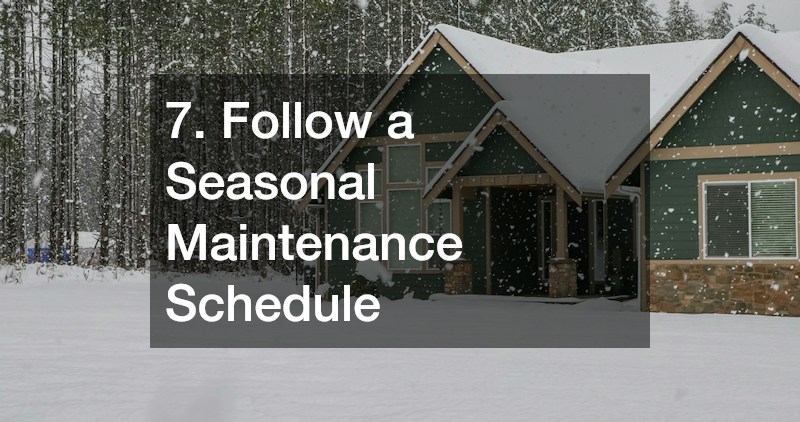
A seasonal maintenance plan helps homeowners account for changing weather and the different demands each time of year brings. Distributing tasks throughout the calendar makes property upkeep more manageable.
Prepare for Changing Weather
Spring is a useful time to inspect the roof, gutters, exterior paint, landscaping, and outdoor paving after winter. Homeowners can remove accumulated debris, check drainage, and identify damage that needs repair.
During summer, attention may shift toward irrigation, lawn care, air conditioning, pest prevention, and outdoor surfaces exposed to intense sunlight.
Autumn provides an opportunity to clear leaves from gutters, trim vulnerable branches, inspect weatherstripping, and prepare outdoor plumbing for freezing temperatures where necessary. In winter, homeowners in colder regions may need to protect exposed pipes and check heating equipment.
Maintenance needs depend on the property’s age, materials, climate, and equipment requirements. Adjusting the schedule to these factors helps prevent unnecessary work while keeping important responsibilities on track.
Use a Simple Property Checklist
A written calendar helps homeowners remember routine tasks and identify problems early.
-
Weekly: Clean frequently used surfaces, remove rubbish, and tidy outdoor areas.
-
Monthly: Check for visible leaks, inspect pest entry points, and examine high-traffic flooring.
-
Seasonally: Inspect exterior surfaces, clear gutters, assess landscaping, and check drainage.
-
Annually: Arrange recommended professional inspections, review major home systems, and plan larger repairs.
Property owners can also set aside a maintenance budget for supplies, professional services, and unexpected repairs. Planning for these expenses makes it easier to address problems promptly instead of postponing necessary work.
8. Protect Property Value Through Consistent Care
Regular maintenance can help reduce the likelihood of larger repair expenses. Replacing damaged caulking, correcting drainage issues, or repairing a small roof defect may be less disruptive than dealing with extensive moisture damage later.
Maintenance also preserves the features that contribute to a property’s appeal. Clean interiors, healthy landscaping, functional outdoor spaces, and well-maintained exterior materials create a consistent impression of care.
For homeowners considering selling or renting, this attention can be particularly valuable. Prospective buyers and tenants may notice peeling paint, neglected gardens, stained flooring, or visible signs of water damage. Addressing these issues can make the property feel more comfortable and better cared for, although maintenance alone cannot guarantee a particular market value.
When budgets are limited, prioritize safety concerns, active leaks, structural damage, and problems that could worsen quickly. Cosmetic improvements can follow once urgent repairs are addressed.
It is also important to distinguish between routine household tasks and work requiring specialized expertise. Cleaning and basic visual inspections are manageable for many homeowners, while roofing repairs, electrical work, and significant plumbing problems may require qualified professionals.
Creating a healthier and more attractive property starts with consistent attention to the spaces, surfaces, and systems that make a home comfortable and functional. Landscaping, exterior repairs, indoor cleaning, pest prevention, and equipment servicing all contribute to a better-maintained property.
The most effective approach is to address small problems early, follow a realistic maintenance schedule, and adjust priorities according to the property’s needs and local conditions. Keeping records and planning for routine expenses can also make ongoing responsibilities easier to manage.
Although no property is completely maintenance-free, regular care can help preserve its appearance, improve everyday comfort, and reduce avoidable repair costs. By treating maintenance as an ongoing responsibility rather than an occasional project, homeowners can create a cleaner, safer, and more welcoming environment while protecting their investment for years to come.