Highlights
- Quality roof insulation helps improve indoor comfort throughout the year.
- Proper insulation can reduce heat transfer and improve household energy efficiency.
- Different insulation materials suit different roof types and building designs.
- Professional installation helps insulation perform as intended over the long term.
- Well-maintained insulation can contribute to lower heating and cooling costs.
- Regular inspections help identify damage that may affect insulation performance.
How Does Roof Insulation Improve Energy Efficiency?
Roof insulation is one of the most effective ways to improve a home’s energy efficiency and indoor comfort. By slowing the transfer of heat through the roof, insulation helps maintain more consistent indoor temperatures and reduces the workload placed on heating and cooling systems.
Because a significant amount of heat can enter or escape through the roof, properly installed insulation plays an important role in managing energy use. According to YourHome, effective insulation can improve thermal performance and contribute to lower energy consumption while creating a more comfortable indoor environment.
Why Is Proper Roof Insulation So Important?
Proper insulation provides benefits throughout every season by helping reduce unwanted heat gain during warmer weather and limiting heat loss during cooler conditions. This creates a more comfortable living environment while supporting more efficient heating and cooling.
Insulation also contributes to improved indoor comfort by reducing temperature fluctuations between different rooms. When combined with appropriate ventilation and efficient heating or cooling systems, it forms an important part of an energy-efficient home.
What Types of Roof Insulation Are Available?
Several insulation products are available, each designed to suit different roof structures and building requirements. Choosing the appropriate material depends on factors such as roof design, accessibility, climate conditions and desired thermal performance.
Common insulation options include:
- Glass wool batts: Widely used for residential ceilings because they provide effective thermal and acoustic performance.
- Polyester insulation: Durable, non-irritating and suitable for many ceiling applications.
- Rock wool insulation: Offers thermal insulation together with excellent fire resistance.
- Reflective foil insulation: Helps reduce radiant heat transfer, particularly in roof spaces.
- Rigid insulation boards: Commonly used in certain construction methods where additional thermal performance is required.
Selecting the right insulation product helps maximise long-term performance while supporting household energy efficiency.
How Can Roof Insulation Reduce Energy Bills?
Proper roof insulation helps reduce the amount of heating and cooling needed to maintain comfortable indoor temperatures. As heating and cooling systems operate more efficiently, energy consumption can often be reduced over time.
The Australian Government’s Energy Rating program identifies heating and cooling as one of the largest contributors to household energy use. Improving insulation allows homes to retain conditioned air more effectively, helping reduce unnecessary energy loss throughout the year.
Should Roof Insulation Be Professionally Installed?
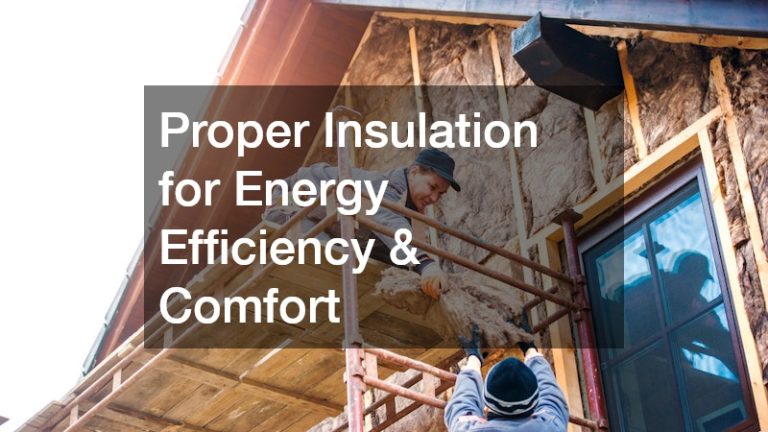
Yes. Professional installation helps insulation perform as intended while reducing the likelihood of gaps, compression or incorrect placement that could reduce effectiveness. Experienced installers also understand how insulation should work alongside ventilation and other building components.
Professional installation is particularly important when working in roof spaces that contain electrical wiring, ductwork or other services. Correct installation helps maximise thermal performance while supporting safe building practices.
How Can You Tell If Existing Insulation Needs Replacing?
Older insulation can lose effectiveness due to age, moisture, damage or movement within the roof cavity. If your home becomes more difficult to heat or cool, your insulation may no longer be performing as efficiently as it should.
Common signs include:
- Uneven indoor temperatures: Some rooms feel noticeably warmer or cooler than others.
- Higher energy bills: Heating and cooling costs increase without significant changes in usage.
- Visible deterioration: Insulation appears compressed, damaged or affected by moisture.
- Drafts & temperature fluctuations: Indoor temperatures change quickly throughout the day.
- Roof space moisture: Damp conditions may reduce insulation performance over time.
Regular inspections help identify these issues before they significantly affect household comfort or energy efficiency.
Does Roof Insulation Improve Indoor Comfort?
Yes. Effective insulation helps maintain more consistent indoor temperatures by reducing rapid heat transfer through the roof. This creates a more comfortable environment regardless of outdoor conditions.
Better temperature stability also reduces the need for heating and cooling systems to cycle as frequently. The result is a home that feels more comfortable throughout the day while supporting improved energy efficiency.
According to CSIRO, improving the thermal performance of buildings contributes to greater comfort and more efficient energy use through better building design and insulation practices.
What Other Factors Affect Energy Efficiency?
Insulation works best when combined with other energy-efficient building features. Roof ventilation, window coverings, draught sealing and efficient heating and cooling systems all contribute to improved thermal performance.
Addressing multiple areas of the home rather than relying on insulation alone often produces better long-term results. A whole-home approach helps reduce unnecessary energy use while creating a more comfortable living environment.
Why Is Roof Insulation a Smart Long-Term Investment?
Installing quality roof insulation provides ongoing benefits by improving comfort, supporting energy efficiency and reducing unnecessary heat transfer. When properly selected and professionally installed, insulation can continue performing effectively for many years with minimal maintenance.
Whether you are building, renovating or upgrading an existing home, investing in suitable insulation is one of the most practical ways to improve year-round comfort. Combined with regular inspections and good home maintenance, quality insulation helps create a more energy-efficient home while supporting lower heating and cooling costs.
Sources
- YourHome – Insulation
https://www.yourhome.gov.au/passive-design/insulation - Energy Rating (Australian Government)
https://www.energyrating.gov.au/ - CSIRO – Energy Efficient Homes
https://www.csiro.